Most people know that the heart is responsible for pumping blood throughout the body, but many assume that it also plays a role in creating blood. While this is a reasonable assumption, the truth is that the heart’s job is simply to circulate blood, not create it. Blood is actually produced in the bones. To understand how this works, it’s important to first explore the structure of bones.
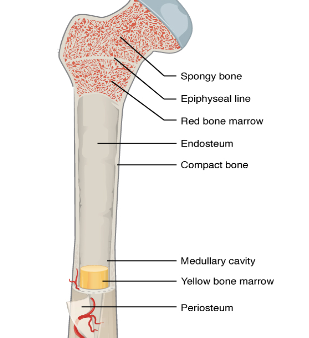
Bones have a smooth, hard outer layer called compact bone, which protects the more fragile, porous inner layer known as spongy bone. Inside most bones, you’ll find bone marrow, which comes in two types: red marrow and yellow marrow. Yellow marrow, found in the central cavities of your bones, is mostly made up of fat and contains stem cells that can turn into fat cells, bone cells, or cartilage (a tough, flexible tissue found in joints). Red marrow, located in the spongy bone just beneath the compact bone, is where blood stem cells live.
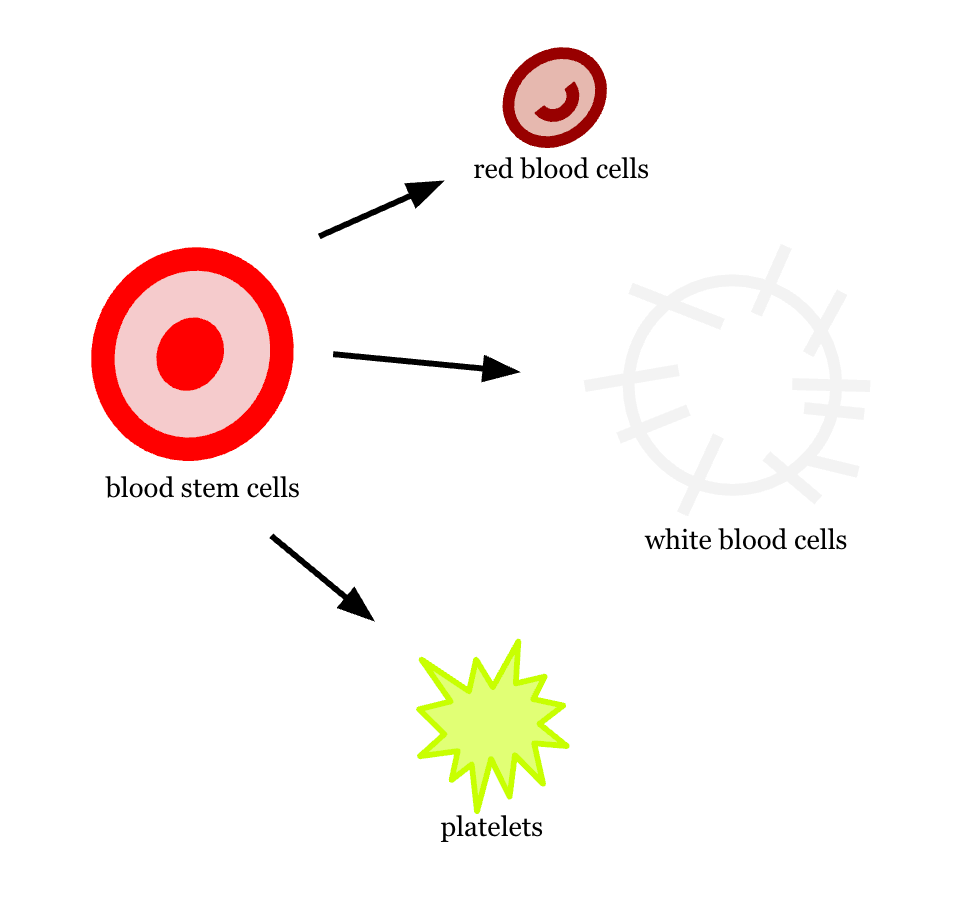
Blood stem cells are special because they can create more cells just like themselves. There are three main types of blood cells that red marrow produces: red blood cells, which carry oxygen from the lungs to the rest of the body; white blood cells, which help fight infections; and platelets, which assist in blood clotting to stop bleeding. Red marrow constantly produces all three types of blood cells. Every day, billions of these new cells are sent into your bloodstream through tiny capillary veins that enter the bone.
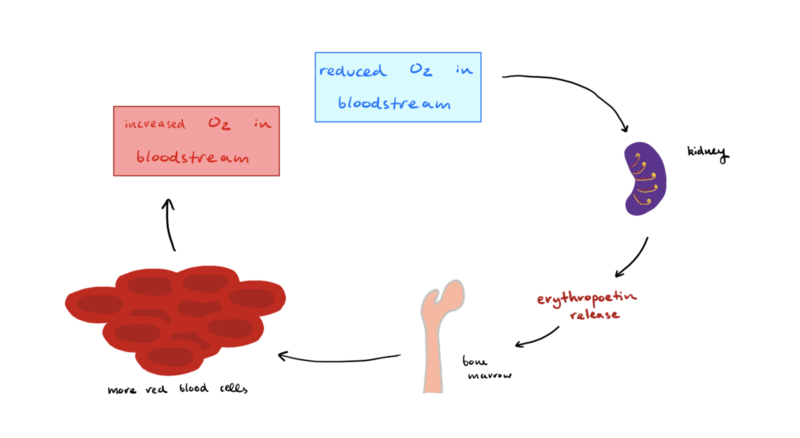
When you lose blood, your kidneys sense that oxygen levels in your blood have dropped due to the loss of red blood cells. In response, your kidneys release a special protein called erythropoietin into the bloodstream. This protein travels to the bone marrow, signaling the blood stem cells to focus on producing more red blood cells to replace the lost ones. Remarkably, your body can create about 2 million red blood cells every second. So, when you donate blood, your body is capable of replacing the entire pint in just about two weeks.
In conclusion, while the heart is responsible for circulating blood, it is the bones—specifically the red bone marrow—that produce it. The bone marrow’s continuous production of blood cells is crucial for life, ensuring that the body has the blood it needs to function. So, while the heart may pump, it’s the bones that provide the blood that keeps everything running smoothly.
 Bio Blog Thingy
Leave a comment